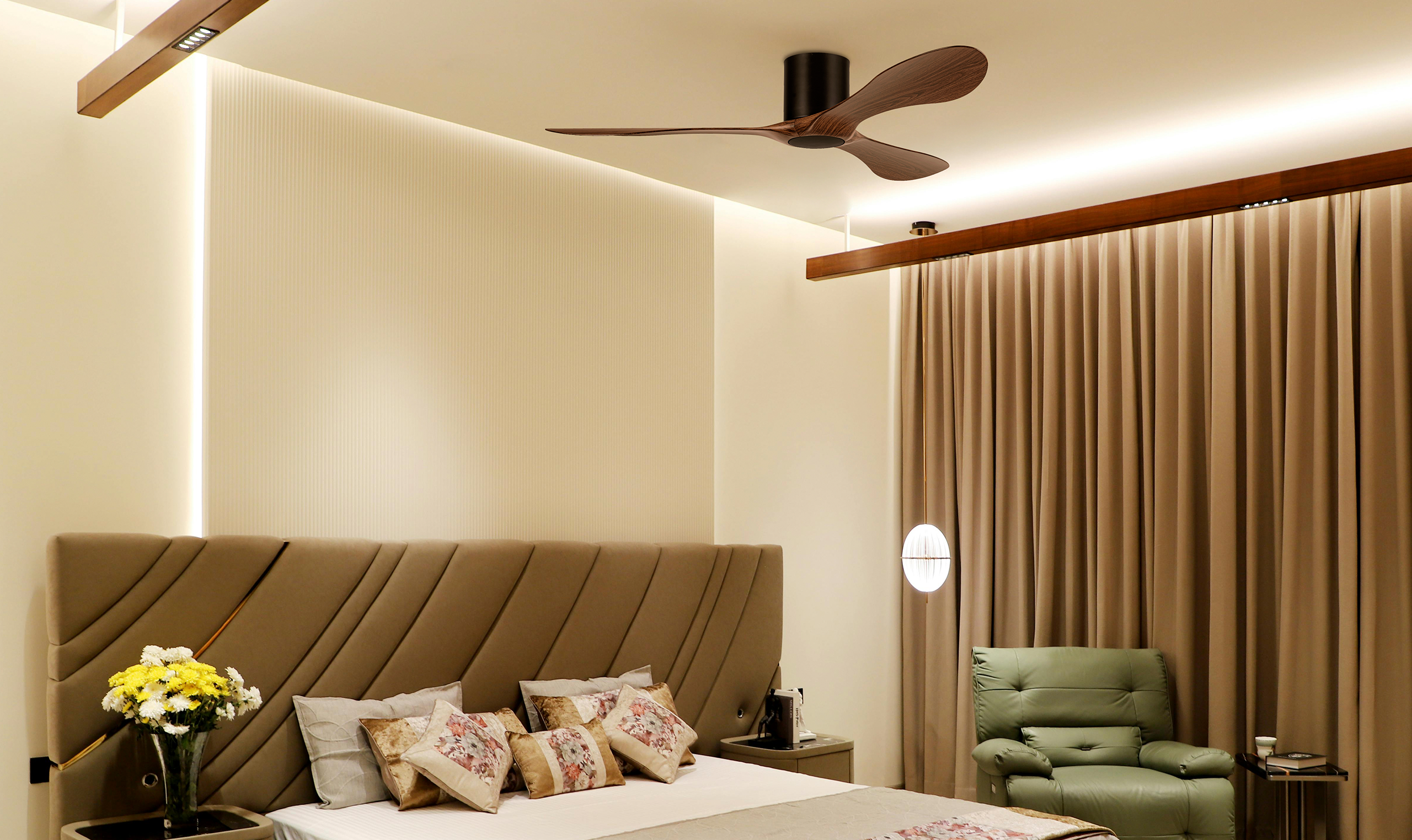
A bedroom fan should provide comfortable overnight airflow without distracting noise, excessive brightness or complicated controls. The best choice depends on room area, ceiling height, sleeping preferences and whether the fan replaces the main light.
Searching for best ceiling fan for bedroom often produces broad advice, but a useful decision starts with the actual room. Size, layout, ceiling or cavity conditions, controls and household routines all affect the result. This guide explains the main considerations in a practical order for Australian homeowners.
Before purchasing, separate essential requirements from optional preferences. Safety, product suitability and installation come first; finish, connected features and convenience can then be compared among appropriate options. This approach makes best ceiling fan for bedroom research clearer and reduces costly assumptions.
Measure the bedroom first
Calculate floor area and note wardrobes, bulkheads and furniture that change the usable space. A compact bedroom may suit a 48-inch model, while many standard bedrooms use a 52-inch fan when clearances allow. This factor should be assessed in the context of the whole room rather than as a stand-alone specification. Measure the space, record existing fittings and compare the manufacturer’s current instructions before making a decision.
Prioritise quiet low-speed operation
Motor noise and turbulent airflow are more noticeable at night. Look for stable, gentle low-speed performance and several speed choices rather than judging a fan only by maximum airflow. In practice, the best result comes from matching the product to everyday use. Think about when the room is occupied, who operates the equipment and which outcome matters most: comfort, visibility, airflow, quietness or simplicity.
Choose DC motor control
DC fans commonly offer efficient operation, remote control and finer speed adjustment. Compare exact specifications; motor type alone does not guarantee that every model will sound or perform the same. Avoid relying on appearance or one headline number. Product dimensions, controls, installation conditions and the surrounding building can materially change how the solution performs after installation.
Decide whether a light is needed
An integrated LED is useful when the fan replaces a central fitting. Check dimming, colour temperature, memory behaviour and independent fan/light control so late-night use remains comfortable. A useful shortlist contains only products that meet the non-negotiable requirements. Once those are satisfied, compare finish, convenience and price instead of allowing those preferences to override suitability.
Check controls and timers
A bedside remote, timer or sleep mode can reduce disruption. Smart control may help some households, but a straightforward remote can be enough when schedules and voice control are unnecessary. Conditions differ between Australian homes, so general guidance is a starting point rather than an installation instruction. Renovations, high ceilings, coastal air and restricted cavities can all require additional assessment.
Consider blade span and clearance
The fan must sit safely away from walls, tall furniture and other fittings. A licensed electrician should confirm mounting, minimum clearances and the suitability of the ceiling structure. Write this requirement down before shopping and verify it against the exact model. That creates a clearer conversation with the electrician or installer and reduces the risk of ordering an incompatible product.
Match finish to the room
White can recede into a pale ceiling, black can create contrast and timber-look blades can connect with flooring or furniture. Choose a finish you will be comfortable seeing from bed every day. Consider both immediate performance and long-term use. Controls should remain convenient, cleaning should be manageable and replacement or service information should be available if the household needs support later.
Create a practical shortlist
Use the Ceiling Fan Finder to filter by bedroom, room size and lighting preference. Then compare suitable models in the ceiling fan range and confirm installation details before ordering. If the existing installation is being replaced, never assume that similar-looking products share the same cut-out, mounting, wiring or clearances. Confirm measurements before the old appliance is removed.
Questions to answer before requesting a quote
Before contacting an installer, prepare the room dimensions, ceiling or cavity details, photographs of the proposed location and the exact model being considered. Explain how the room is used, which functions are essential and whether an existing product is being replaced. For best ceiling fan for bedroom, this information helps the professional identify access, mounting, wiring, ducting or clearance questions early. Ask what work is included, which components are required and whether any building repairs or modifications fall outside the quote. A clear scope makes product and installation costs easier to compare.
How to compare shortlisted products fairly
Create a simple comparison using the same fields for every candidate: dimensions, stated performance, controls, lighting or heating functions, approved location, included accessories, warranty and installation requirements. Do not compare one product at maximum output with another at an everyday setting, or assume a missing specification has the value you want. For best ceiling fan for bedroom, give priority to suitability and usable performance before finish or promotional price. Save the product pages and manuals you relied on so specifications can be checked again if the listing changes before installation.
Installation, handover and aftercare
After installation, ask the electrician or installer to demonstrate every control and explain normal operating sounds, cleaning limits and isolation procedures. Keep the invoice, model number, manual and warranty details together. Check that the appliance operates through all intended settings and that no unusual vibration, noise, heat, odour or moisture issue is present. If something changes later, stop using the product when safety may be affected and seek qualified advice. Good handover and routine care protect the value of a well-considered purchase.
Frequently asked questions
What should I check first when researching best ceiling fan for bedroom?
Start with accurate room measurements, the intended installation location and the outcome you need. Then compare exact product specifications and ask a licensed professional to confirm installation requirements.
Can I choose using online advice alone?
Online guidance can create a shortlist, but it cannot inspect your ceiling, wiring, ducting or building conditions. Use it with the product manual and professional advice.
Should price be the main deciding factor?
Price matters, but compare suitability, controls, warranty, installation needs and expected use. A lower-priced option is poor value if it cannot perform the required job.
Who should complete electrical installation?
Hard-wired fans, heaters and exhaust products should be installed by a licensed electrician in accordance with applicable requirements and manufacturer instructions.
Final checklist for best ceiling fan for bedroom
Measure the room, identify essential functions, check product dimensions and clearances, review controls and confirm the installation path. Retain manuals and warranty information after purchase. These steps turn general best ceiling fan for bedroom research into a defensible room-specific decision.
Four Seasons Living provides tools and product categories to make comparison easier. Use the relevant finder, review current specifications and confirm stock, finishes and product details immediately before ordering.
Explore the ceiling fan range, use the Ceiling Fan Finder or review compatible ceiling fan accessories as relevant to your room.